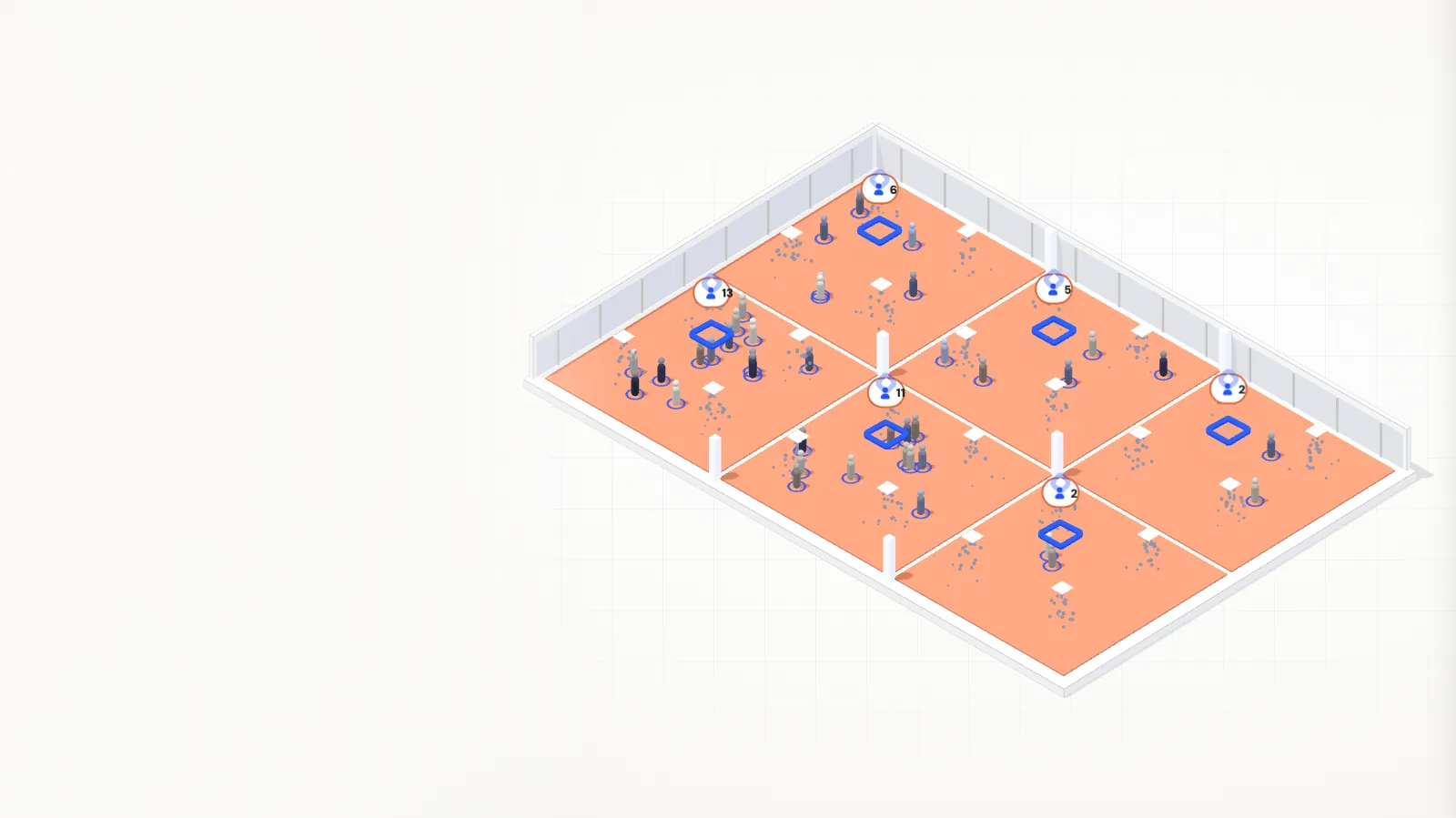
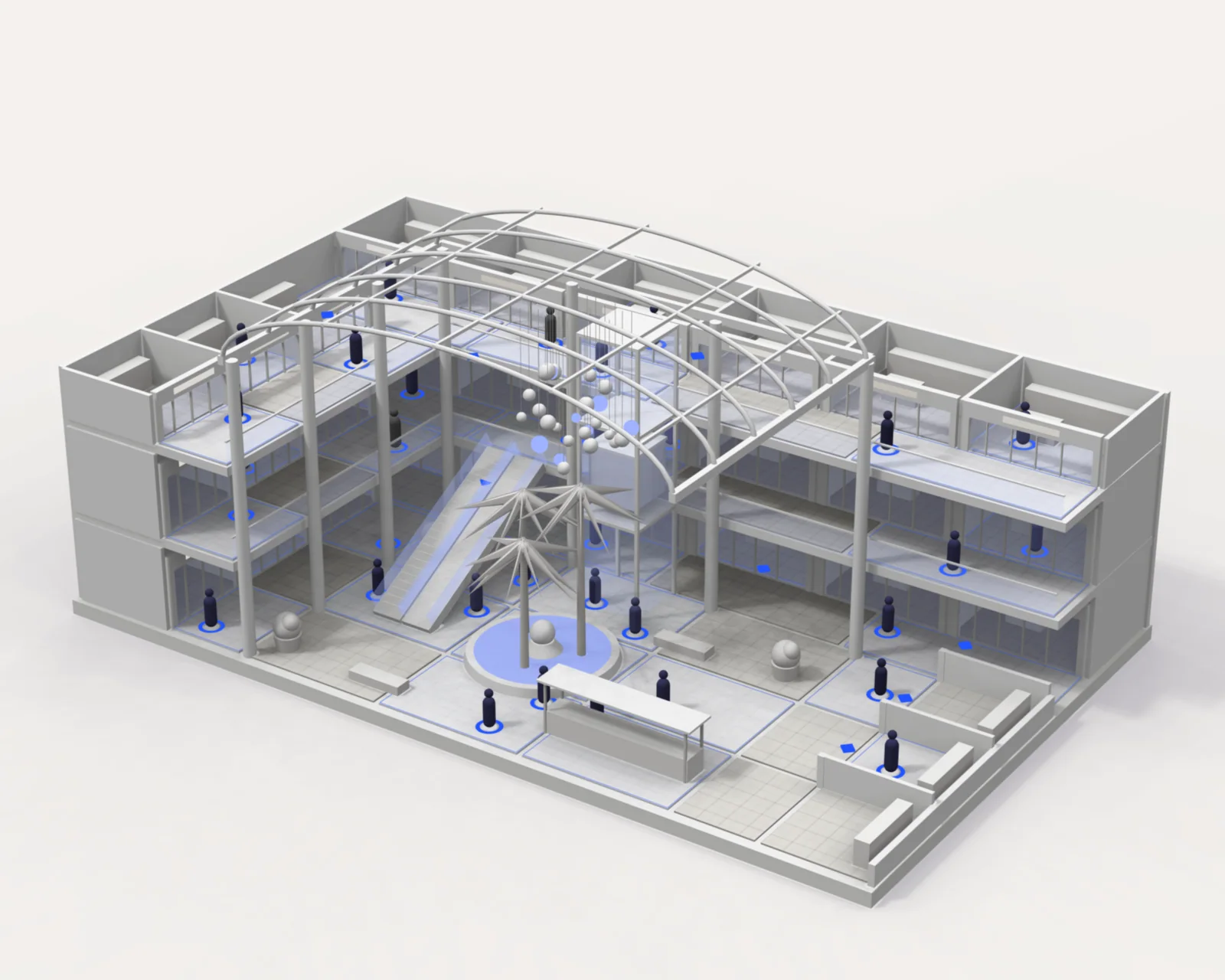
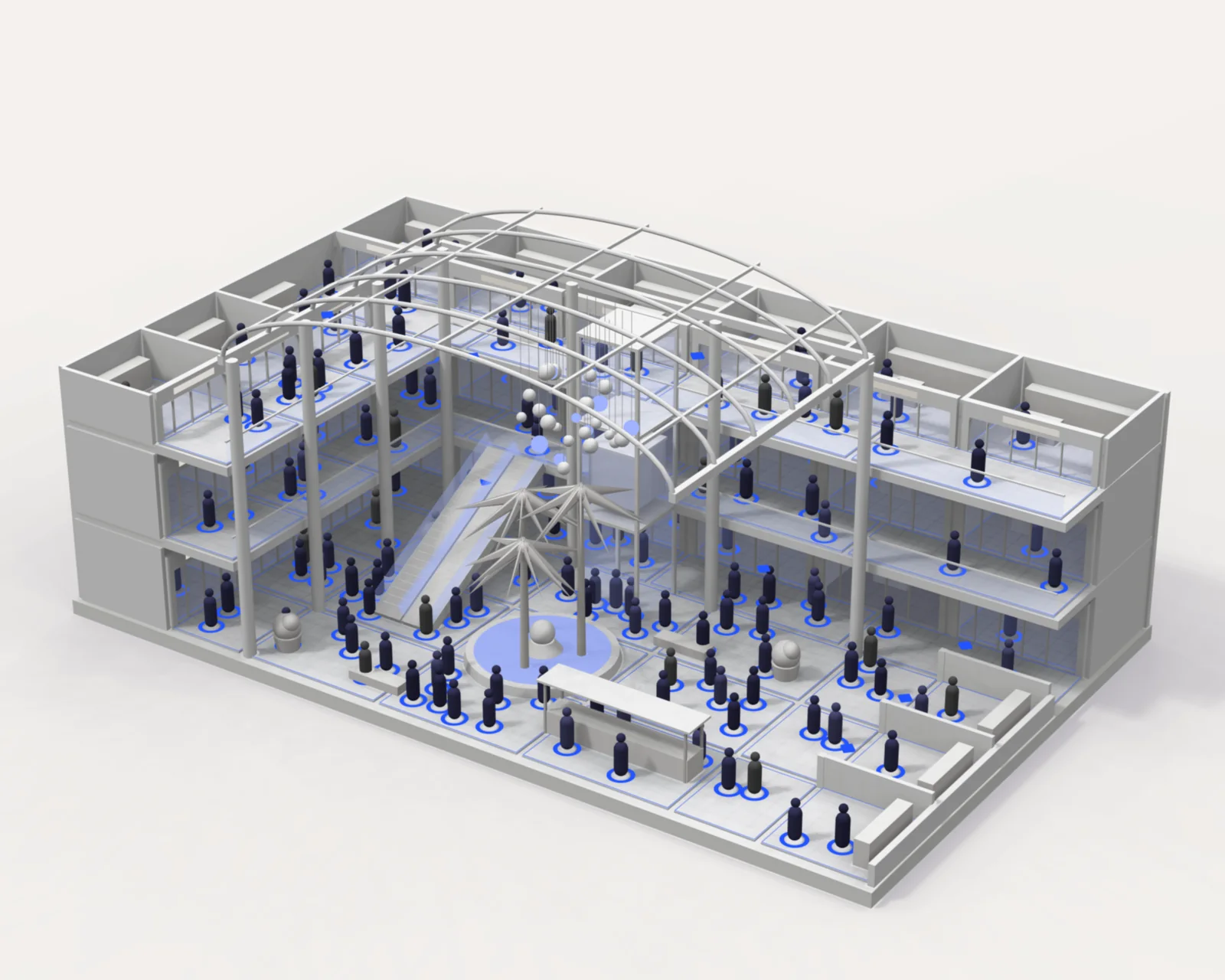
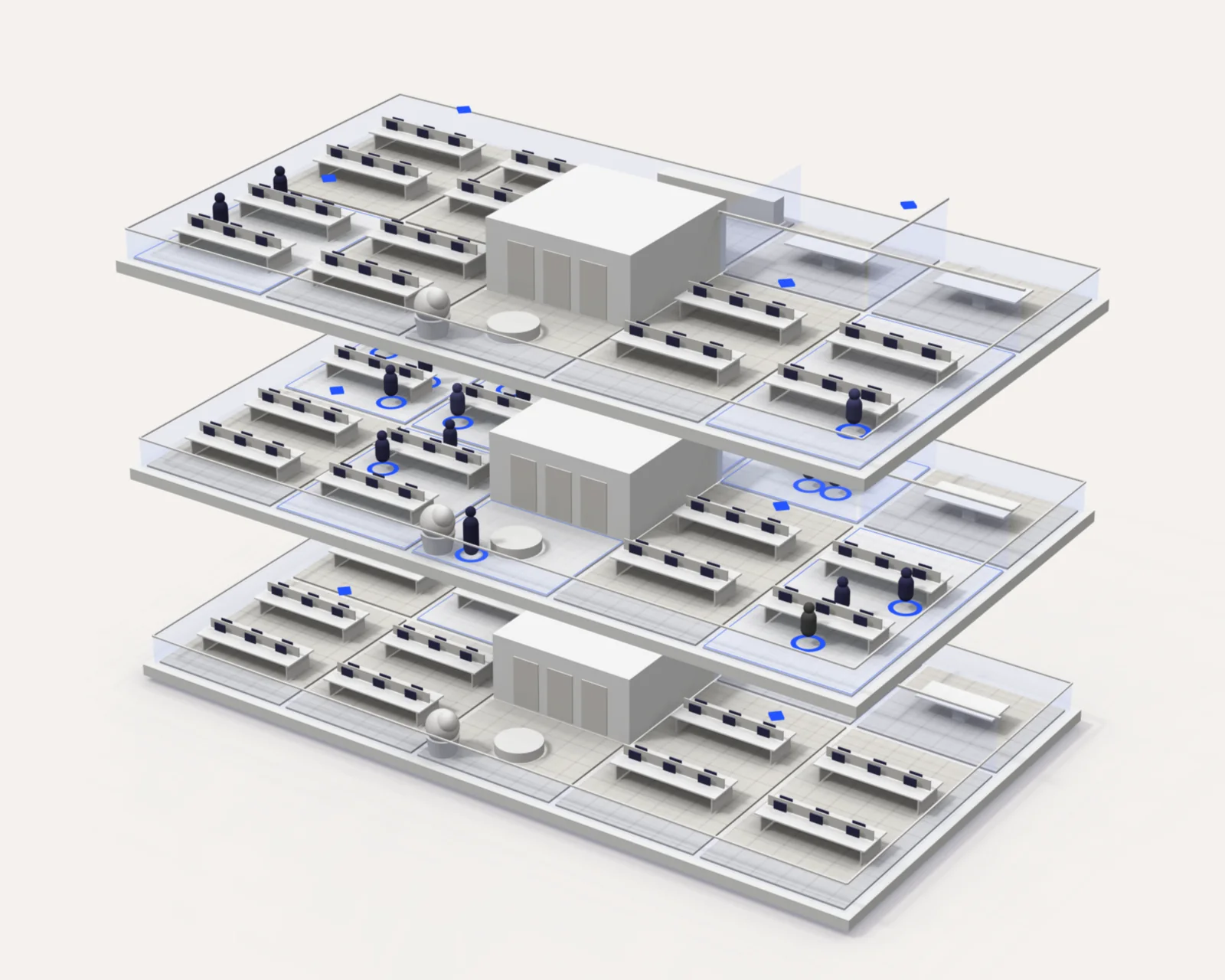
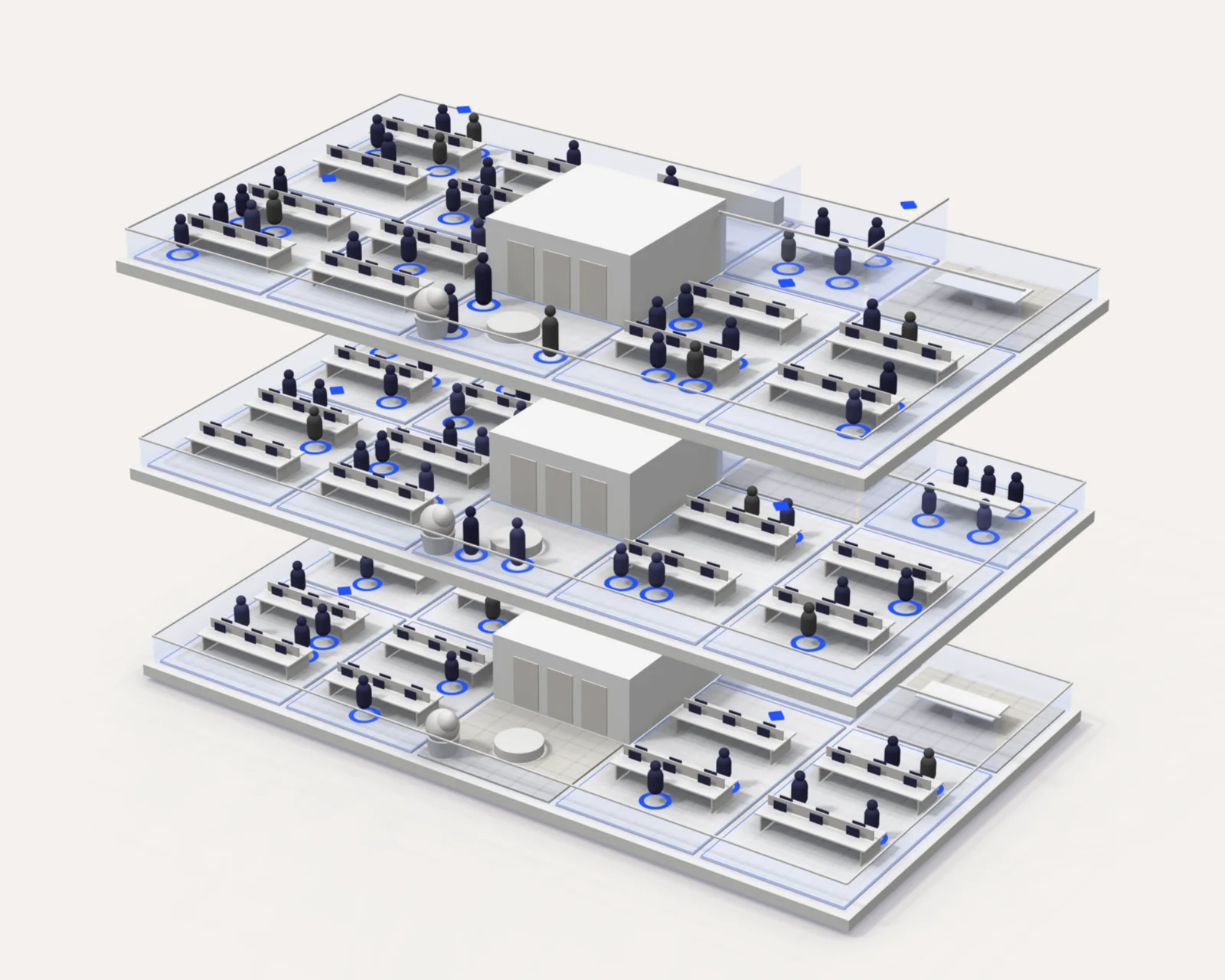
Brightspace uses edge-AI sensors to create a live digital twin of the building. The twin shows the occupants in every zone, anonymously, and runs the HVAC through the existing Building Management System (BMS) to match them.
Most buildings run their HVAC on fixed schedules and abstract metrics. Every zone gets full cooling and airflow, whether it holds 5 people or 500.
With Brightspace · 02 Sense
Every occupant, tracked on the device.
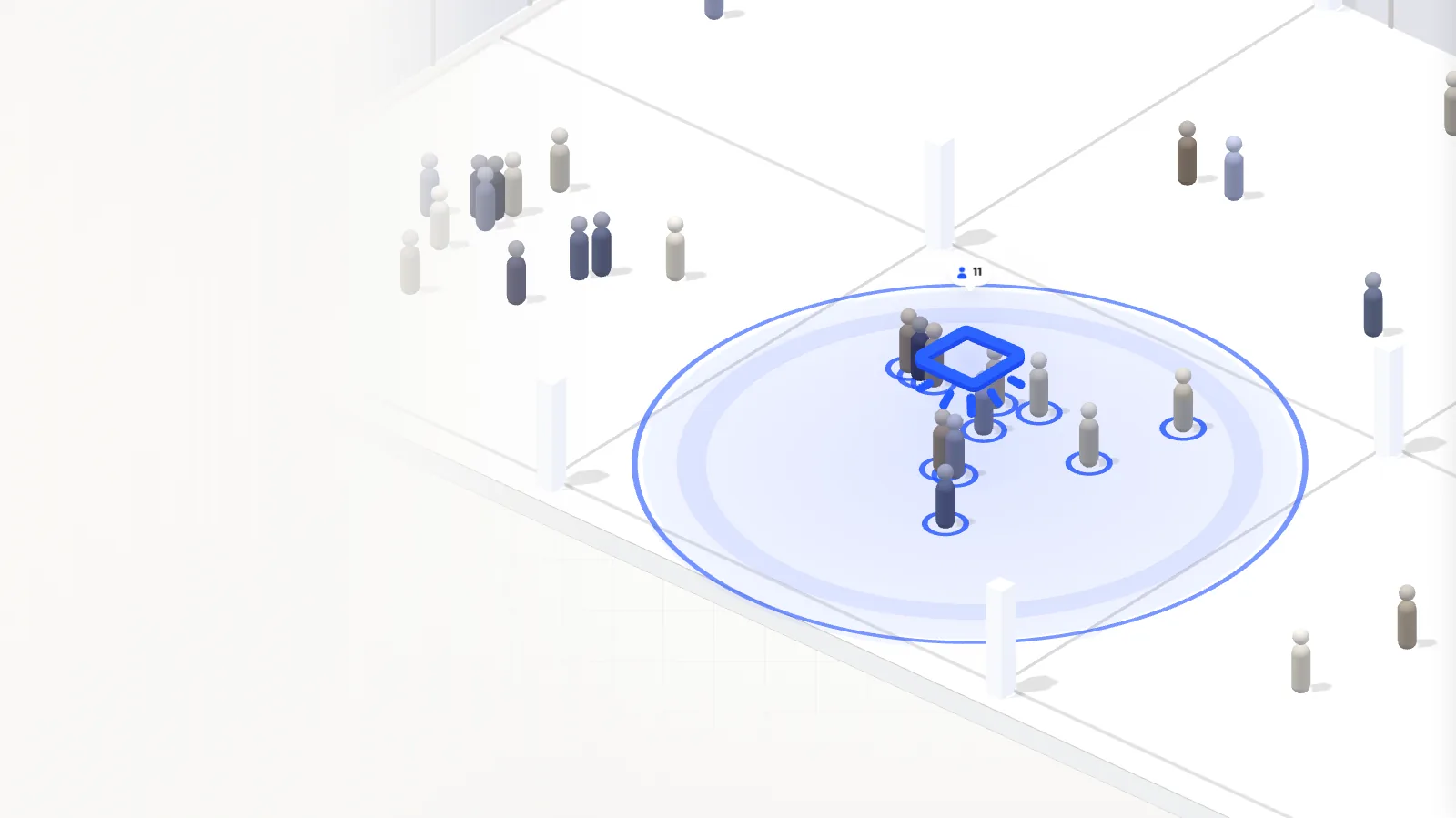
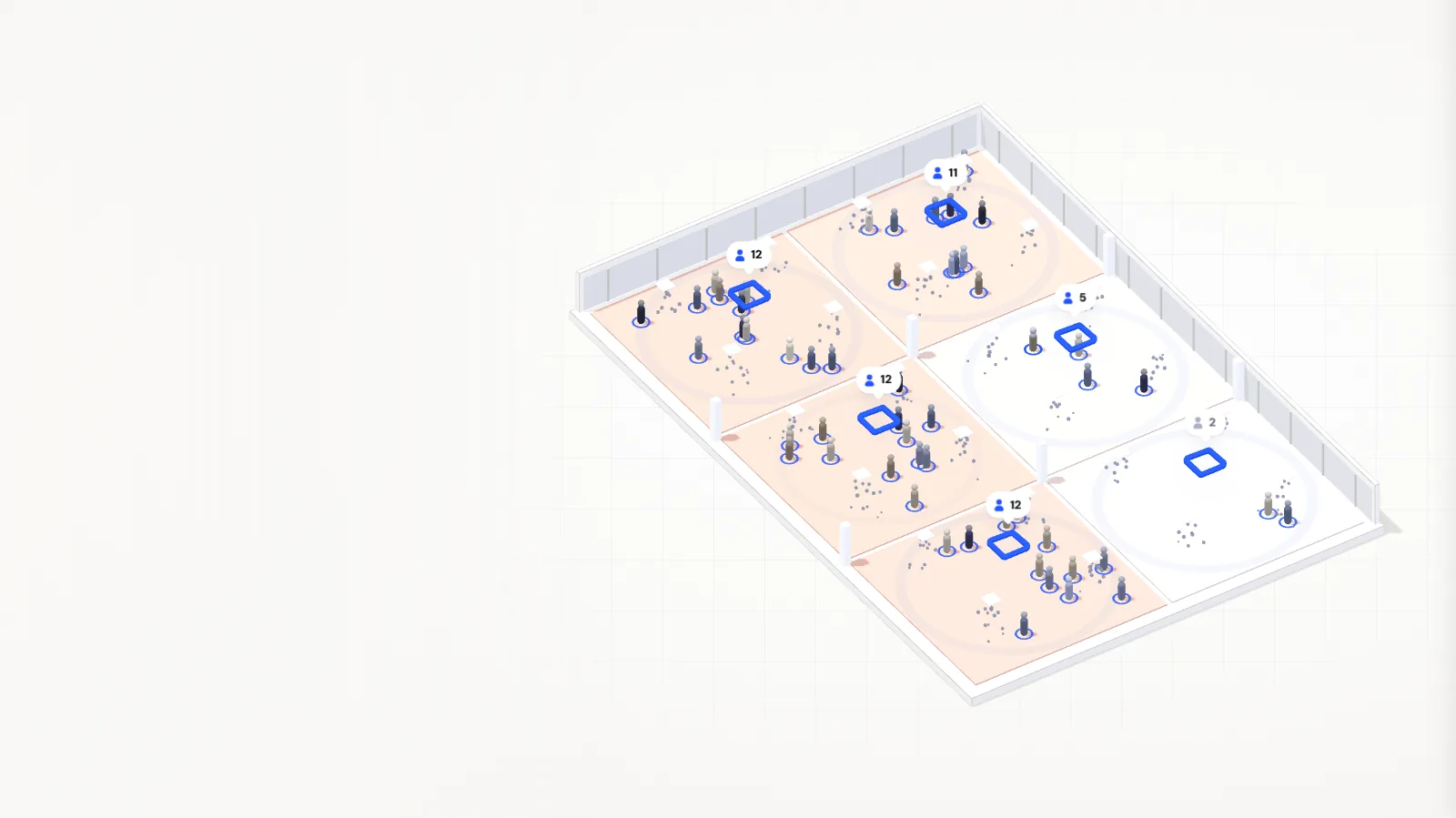
Edge-AI sensors track every occupant in each zone and measure the environment around them. Everything is processed on the sensor: no video is stored and no one is identified.
One Occupant Tracker covers 200 m² at a 3 m ceiling height.
With Brightspace · 03 Every zone
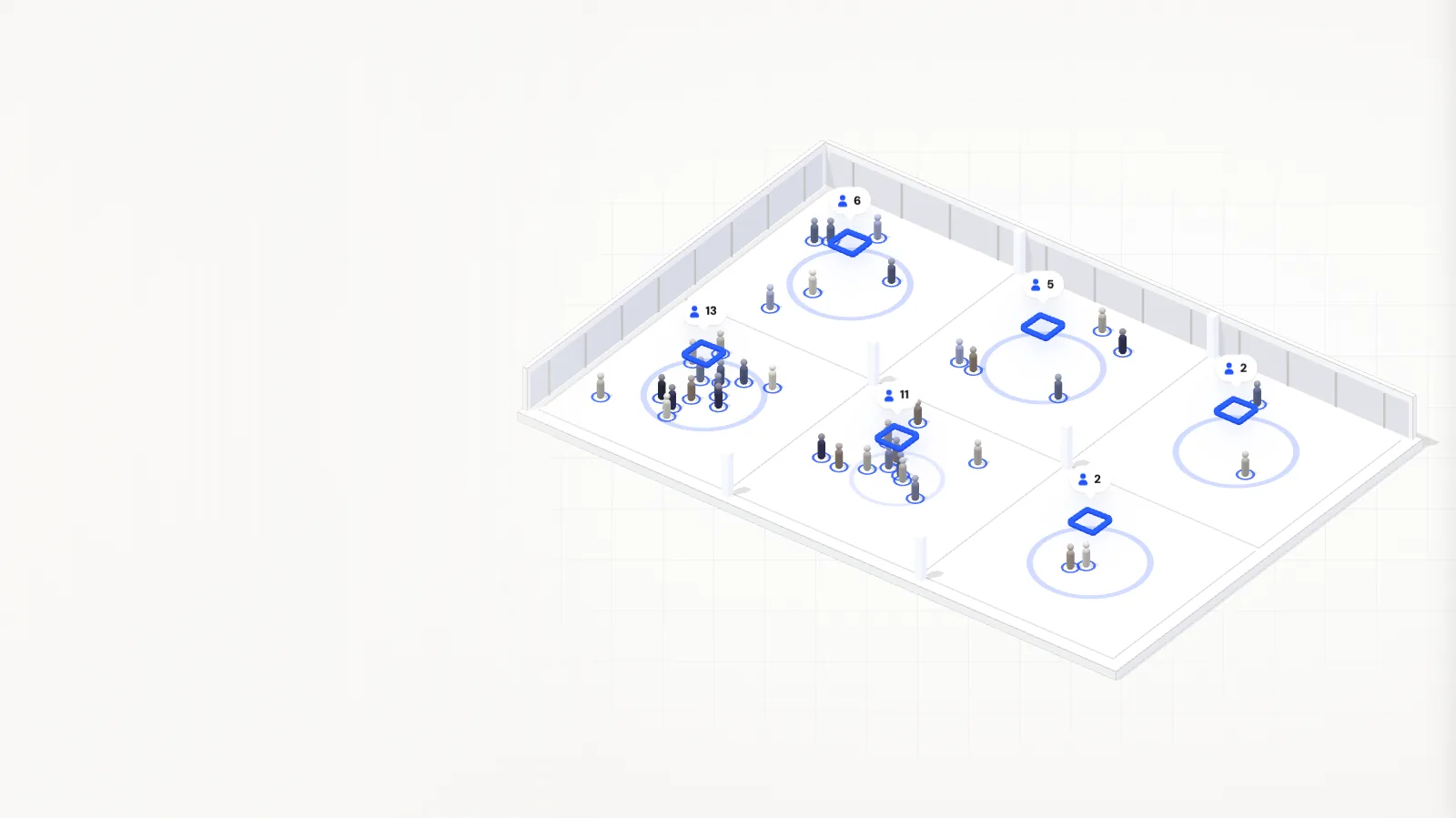
We track every occupant in every zone.
The sensors run on their own wireless mesh, separate from the corporate network. A gateway passes anonymous occupant data and air quality data to the BMS, zone by zone.
With Brightspace · 04 Control
Each zone gets what it needs.
The BMS gets a live picture of the people and the conditions in each zone, so cooling and fresh air follow actual demand. Busy zones stay comfortable. Empty zones stop adding cost.
With Brightspace · 05 Through the day
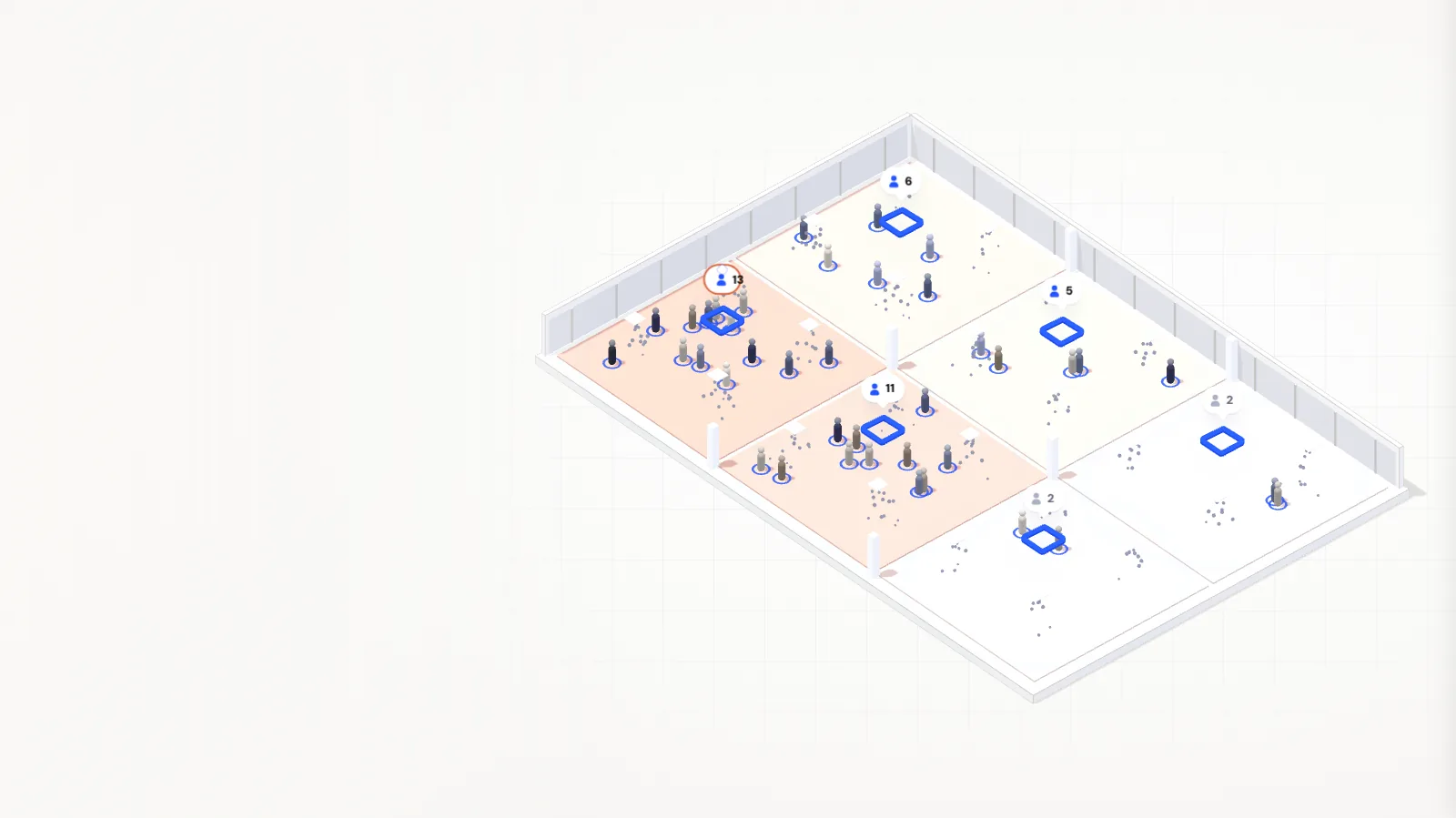
It follows the crowd, per zone, per second.
When a zone fills, it gets more cooling and fresh air. When it empties, the plant backs off.
Click a zone to fill it with people, or switch the comparison below.
9:00 am
HVAC output100%50%0
Energy saved
9am12pm3pm6pm9pm
Fixed scheduleWith BrightspaceHVAC output through one day, as a percentage of full output.
Energy spent conditioning a zoneSupply airOccupant trackerTracked occupant
Click to see how it works
What Brightspace does
Run the HVAC on the people in the building.
Time, temperature and CO₂ are proxies for demand. The demand is the people in each zone, right now.
Cooling and airflow where people are.
We track every occupant in every zone. The live digital twin gives each zone what it needs, through the existing Building Management System (BMS).
It works with the existing plant.
It works with the existing plant and BMS. Installed while the building stays open, with minimal capital works, and live in weeks.
Lower bills and emissions.
Run the plant to demand. Energy cost and emissions fall, with the existing equipment.
Where we work
Five markets across Asia Pacific.
Our team is in Melbourne. We deliver in Australia, Malaysia, Singapore, the Philippines and Hong Kong.
Click a market to see the sites
Why it matters
HVAC is one of the largest energy costs in a large building.
40to60%
of the electricity in a large commercial building in Asia Pacific is typically used by air conditioning.
5.4%
a year: the forecast growth in Southeast Asia's electricity demand to 2030, driven by cooling, data centres and industry.
Sources: government building and energy agencies in the five markets; International Energy Agency, 2026.
Built for
The buildings we work in.
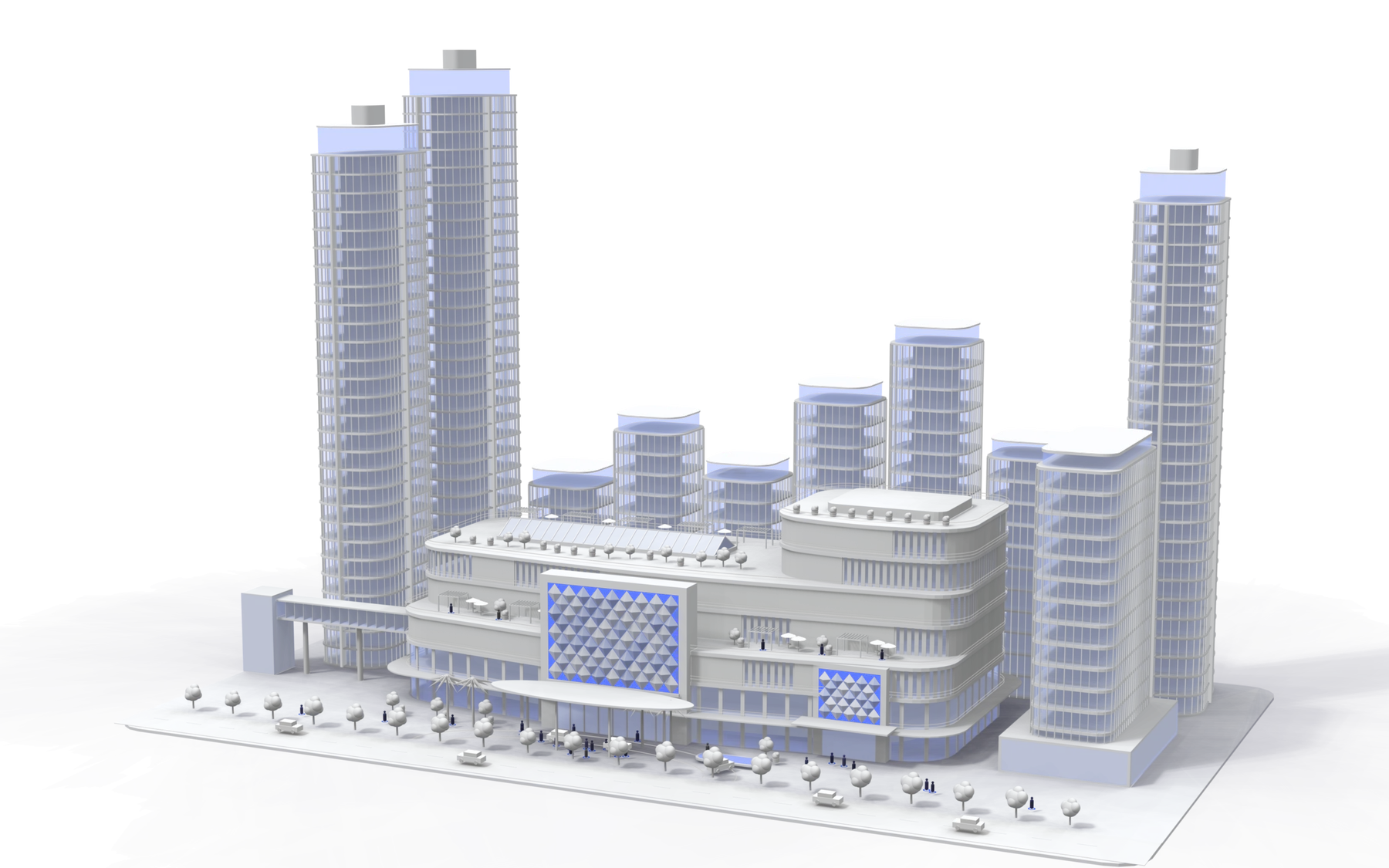
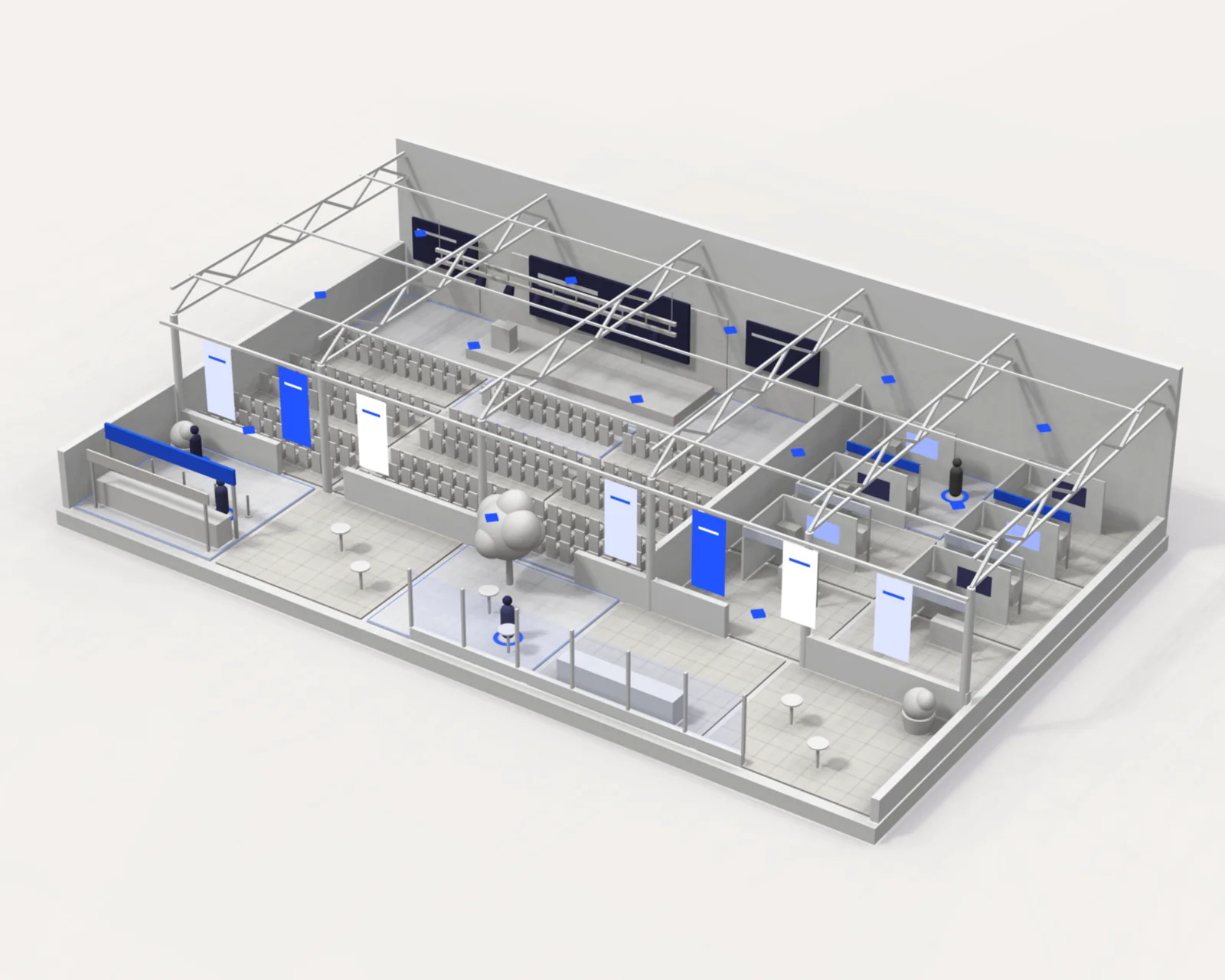
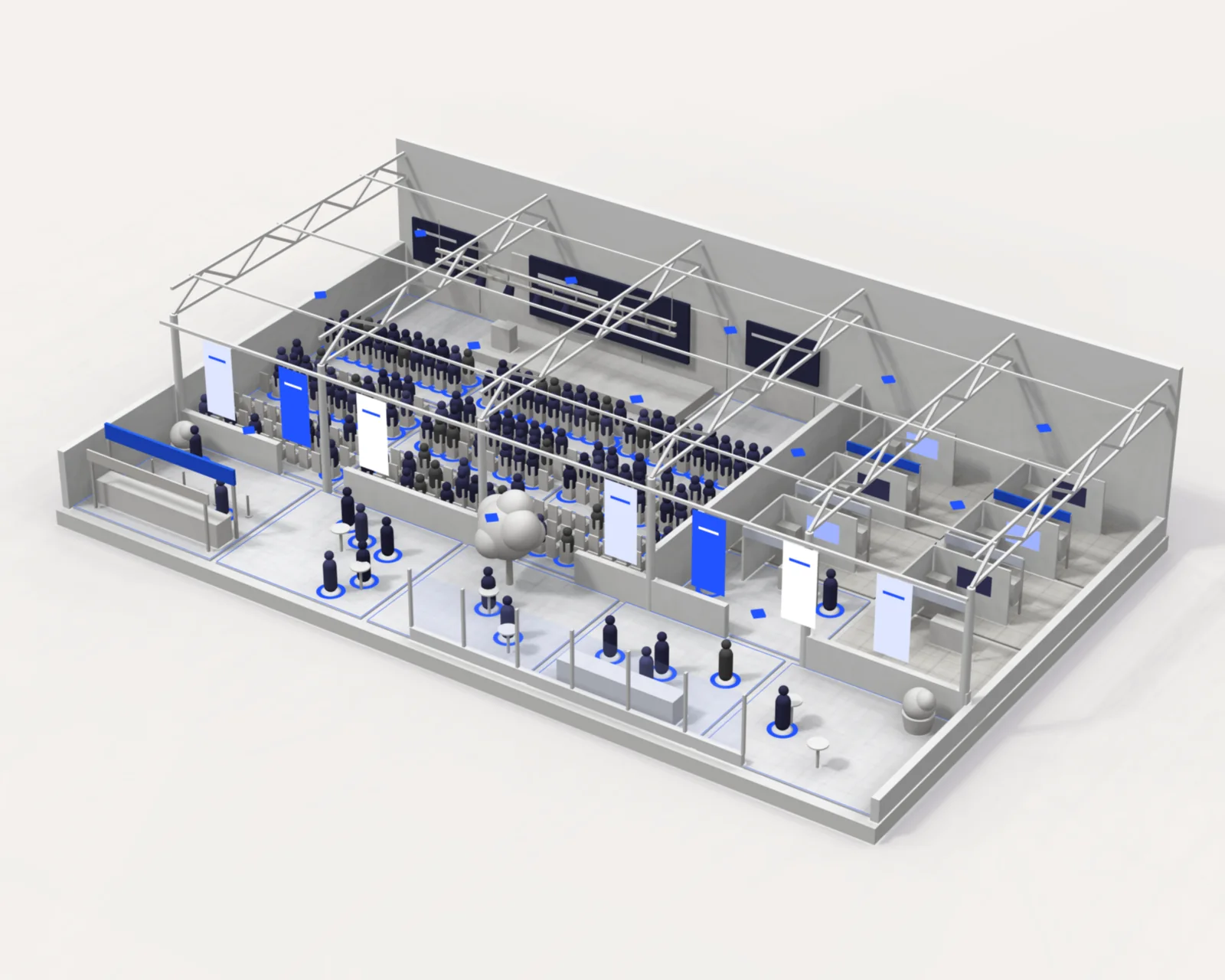
Shopping centres and malls, airports, convention centres and large offices. In each one, the difference between 50 and 500 people is where energy can be saved.
12:30 pm10:00 am
01 · Shopping centres and malls
Cooling that follows the footfall.
Cooling is matched to the people in each zone. The same sensors give leasing and operations teams footfall, dwell and utilisation for each zone.
33%Less cooling energy at TRX Mall, Kuala Lumpur, 120,000 m² retail. Modelled to lift the LEED rating from Gold to Platinum. Energy modelling by Perunding Eagles.Modelled
30%Less cooling at KLIA2 Gateway Mall. Energy modelling by Headrogen.Modelled
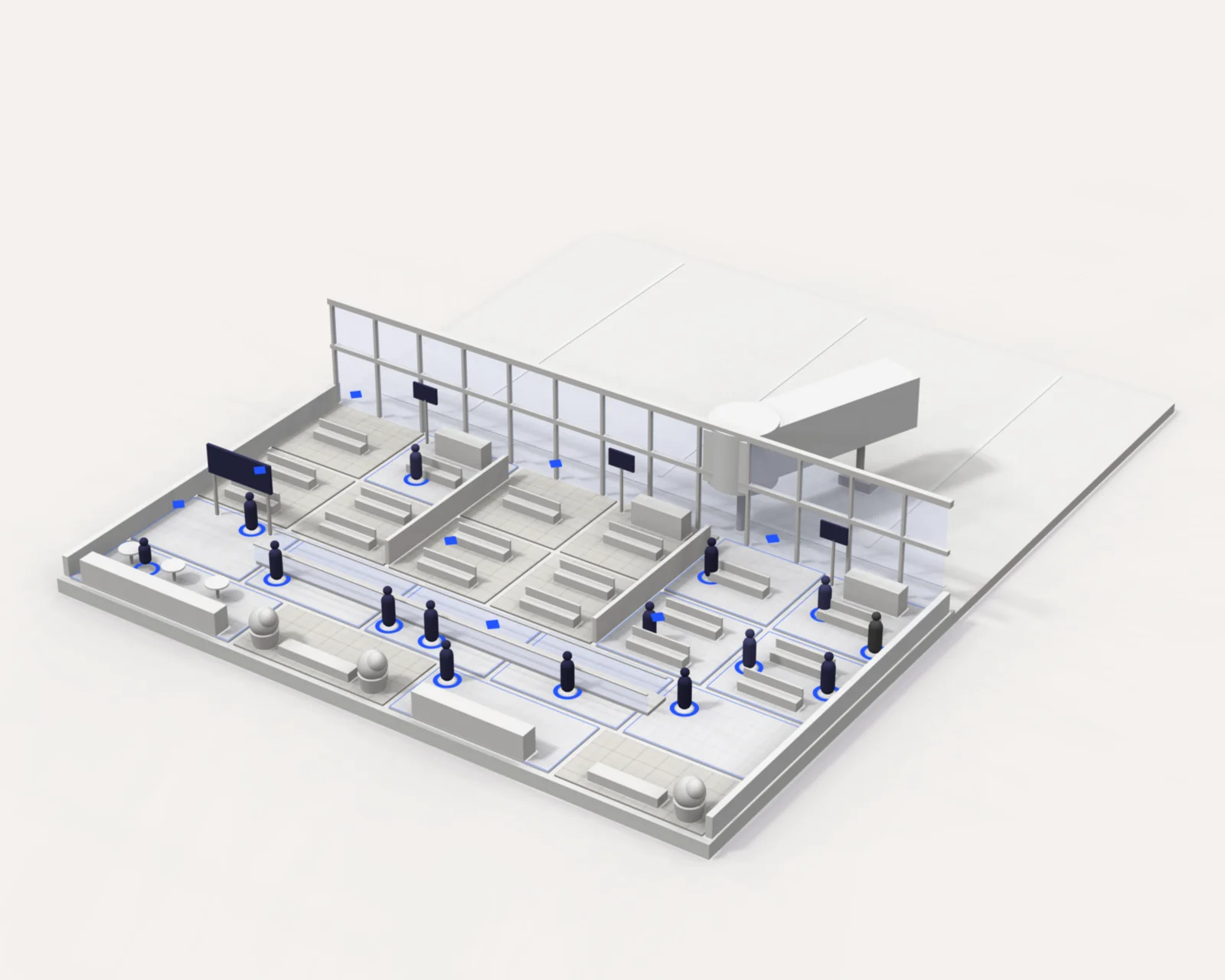
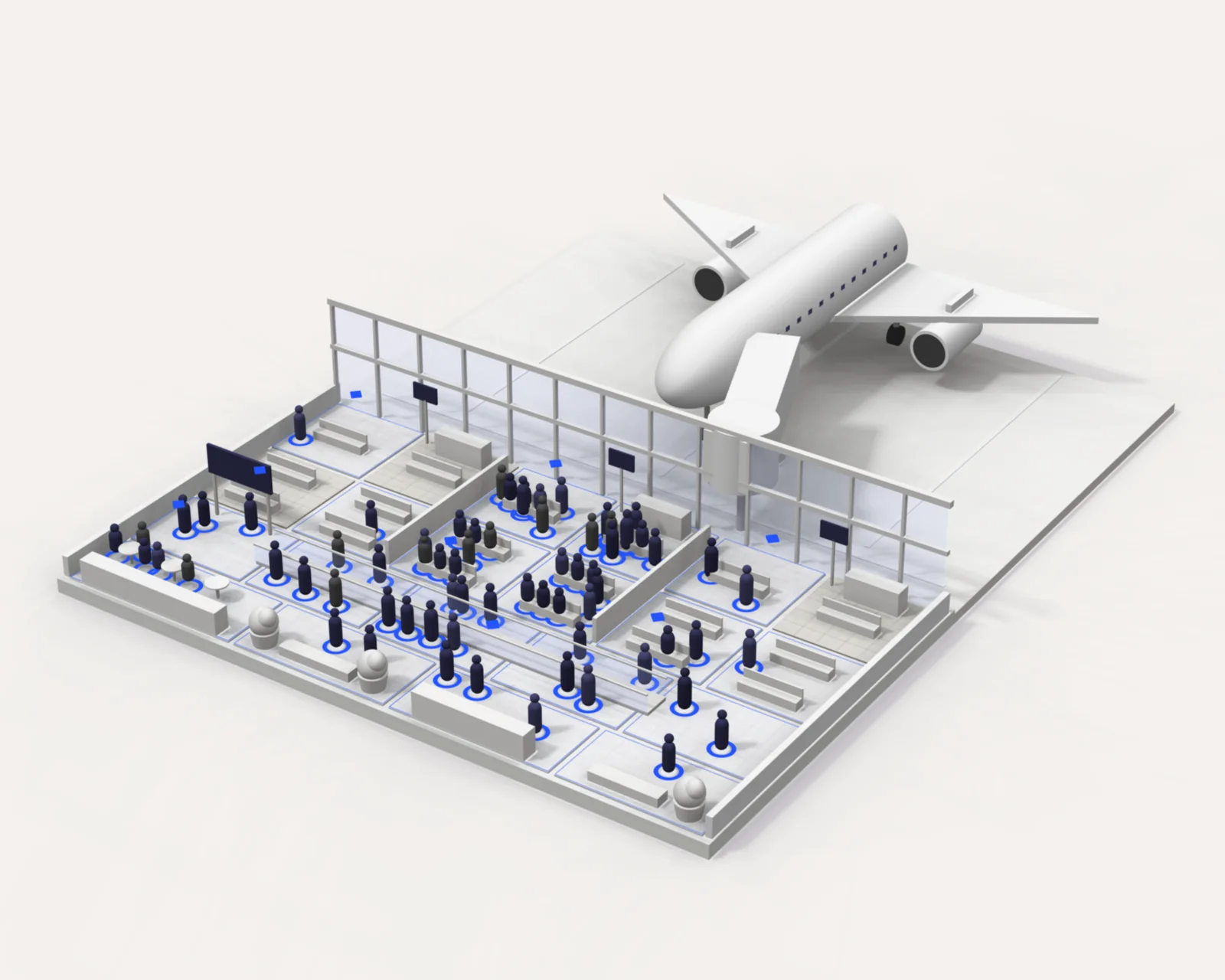
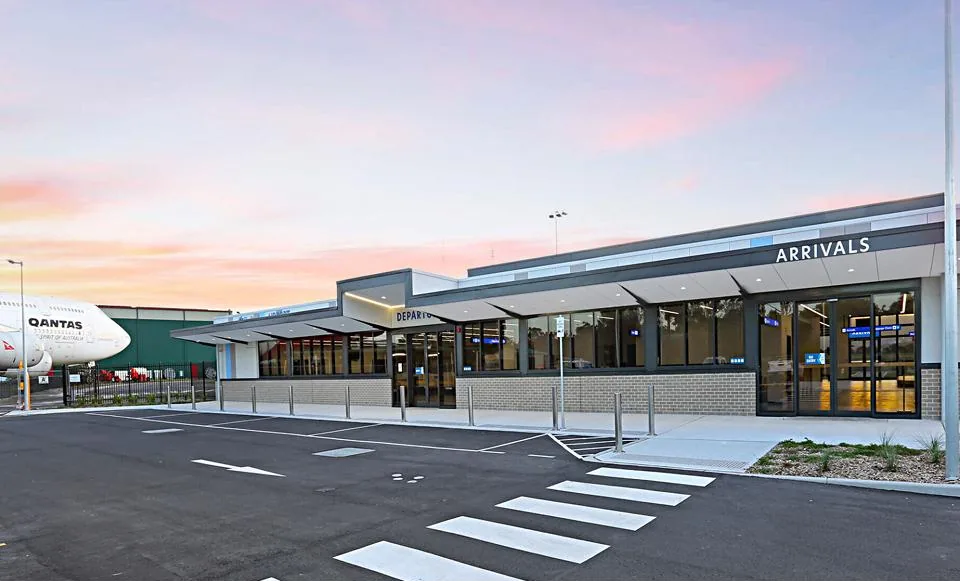
Gates and concourses fill before a departure and empty after it. Each zone is conditioned for the people in it, and set back when they leave. The sensors run on their own network, separate from airport systems.
40.1%Lower electricity cost at Shellharbour Airport, February to September 2026.Live
<12Months payback on hardware and installation cost at Shellharbour Airport.Live
Attendance changes floor by floor and day by day. Each floor is conditioned for the people on it, and empty floors set back. We work through the BMS, or drive the plant directly where there is none.
PAG18 Cross Street, an office in Singapore's CBD.Live
36%HVAC reduction at Woh Hup Office, Singapore. Modelled to lift the Green Mark rating from Gold to Platinum. Energy modelling by Headrogen.Modelled
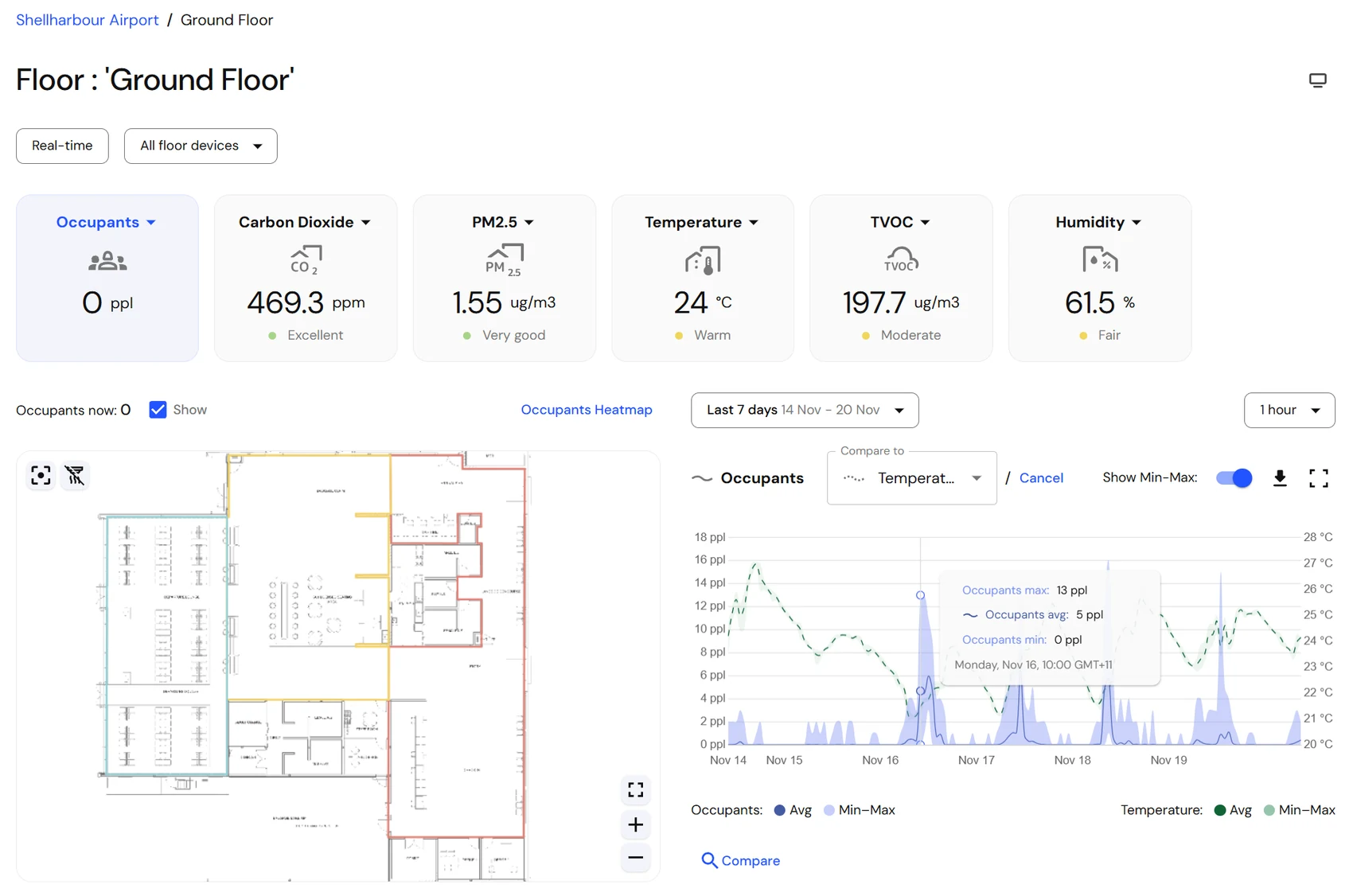
The live digital twin records where every occupant is, anonymously, and all the environmental data, every second. It can be watched live or played back through time. Brightspace shares it in any format, with any team or system the organisation chooses.
Brightspace dashboard
Shellharbour Airport, in the Brightspace dashboard.
What it provides
Every occupant, every measurement
The location of every occupant, to within a few hundred millimetres. Air quality, temperature, humidity, sound and light across the building.
How it is used
Shared in any format
In the Brightspace dashboard, through the BMS, by API or data feed, or as a file export. The open data architecture is designed for other vendors and AI models to build on.
No second project
From the same sensors
It comes from the sensors that deliver the HVAC saving.
Our network
Who we work with.
AE SmithAustralia
Climate SaladAustralia
EnergyLabAustralia
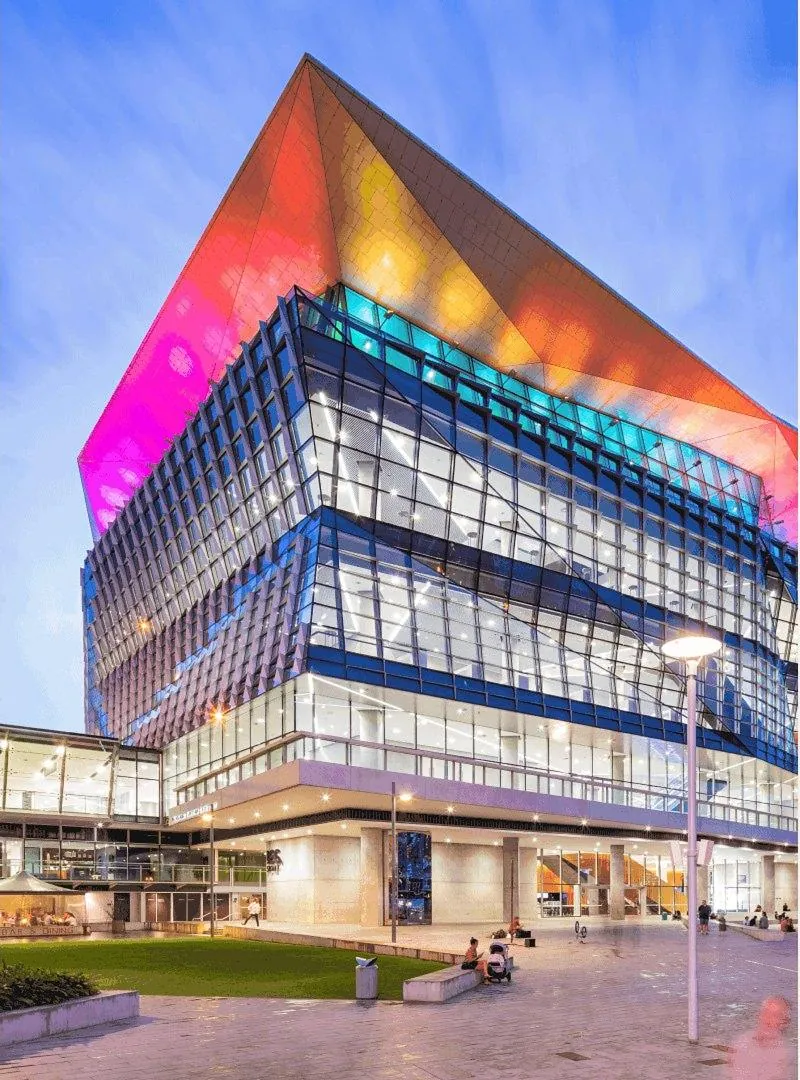
ICC SydneyAustralia
Shellharbour City CouncilAustralia
Henderson LandHong Kong
Perunding EaglesMalaysia
StratconPhilippines
Creative Destruction LabGlobal
HeadrogenGlobal
M Moser AssociatesGlobal
PAG · Asset managerGlobal
JLL FoundationGlobal
Brightspace is a JLL Foundation portfolio company. JLL's 2026 research, The efficiency premium accelerates in real estate, names Brightspace among the leading-edge tools that help buildings close the efficiency gap. Read more
Get in touch
Find out what Brightspace could do for your building.
Start with a free savings assessment. We review your floor plans, plant and operating hours, and show you what you could save.